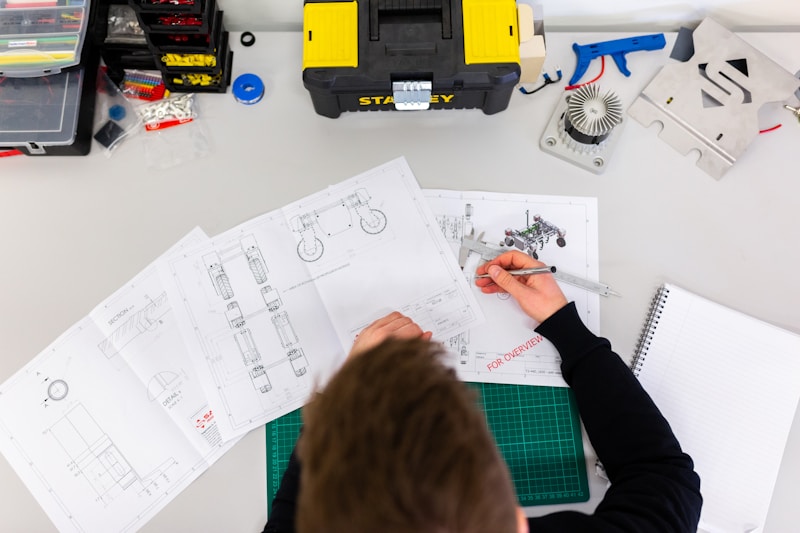
Shop drawings are the unsung heroes of successful construction projects. While design drawings capture an architect's vision, shop drawings translate that vision into buildable reality—providing the detailed instructions that fabricators and contractors need to transform materials into finished building components.
For contractors, builders, and construction companies, understanding shop drawings is essential for delivering quality results on time and on budget. This comprehensive guide explains what shop drawings are, how they differ from design drawings, and why investing in accurate shop drawing services prevents costly construction mistakes.
Definition: Shop Drawings
Shop drawings are detailed fabrication and installation drawings prepared by contractors, suppliers, or manufacturers that show how specific building components will be made and installed. They translate the architect's design intent into precise instructions for construction and fabrication.
The Critical Role of Shop Drawings in Construction
Shop drawings serve as the bridge between design and construction—a crucial communication tool that ensures everyone involved understands exactly what to build, how to build it, and where it fits within the overall project.
What Shop Drawings Include
Professional shop drawings contain essential information:
- Exact Dimensions: Precise measurements with proper tolerances for fabrication
- Material Specifications: Specific grades, finishes, and treatment requirements
- Connection Details: How components join with adjacent elements
- Fabrication Instructions: Manufacturing processes and assembly sequences
- Installation Requirements: How components fit into the building assembly
- Coordination Information: Relationship to structural, mechanical, and electrical systems
- Quality Standards: Testing, inspection, and acceptance criteria
Types of Shop Drawings
Different trades require specialized shop drawings:
- Structural Steel: Connection details, beam and column schedules, erection plans
- Architectural Millwork: Cabinet details, custom casework, built-in furniture
- Curtain Wall/Glazing: Panel layouts, anchor details, system components
- Mechanical Systems: Ductwork fabrication, pipe spooling, equipment layouts
- Electrical: Panel schedules, conduit routing, fixture mounting
- Fire Suppression: Sprinkler head locations, pipe routing, standpipe details
- Specialty Items: Elevators, escalators, custom architectural features
Design Drawings vs Shop Drawings: Understanding the Difference
One of the most common sources of confusion in construction is the distinction between design drawings and shop drawings. While both contain essential project information, they serve fundamentally different purposes.
Design Drawings (Construction Documents)
Created by architects and engineers, design drawings establish the overall project vision:
- Design Intent: What the finished project should look like and how it should perform
- Performance Requirements: Structural loads, energy efficiency, code compliance
- Spatial Relationships: Overall dimensions, clearances, and adjacencies
- Aesthetic Standards: Material types, finishes, and appearance criteria
- System Integration: How building systems work together conceptually
- Quality Expectations: Standards and specifications for acceptable work
Shop Drawings
Prepared by contractors and fabricators, shop drawings explain how to achieve the design:
- Fabrication Details: Exact dimensions, cuts, bends, and connections
- Manufacturing Information: How components are produced in the shop
- Installation Sequence: Order of assembly and field connections
- Coordination: Interface with adjacent trades and systems
- Product Data: Specific manufacturers, model numbers, and alternatives
- Deviations: Where standard products differ from design intent and why
The Relationship Between Design and Shop Drawings
Think of design drawings as the recipe and shop drawings as the cooking instructions. The recipe tells you what dish to make and what ingredients you need; the cooking instructions explain exactly how to prepare each component and assemble the final meal.
Shop drawings must be reviewed and approved by the design team before fabrication begins. This submittal and review process ensures that the contractor's interpretation aligns with the architect's intent—or identifies where deviations are necessary and acceptable.
How Shop Drawings Prevent Construction Mistakes
Construction errors are expensive. Industry studies show that rework typically costs 5-15% of total project budgets—and poor documentation is a leading cause. Shop drawings prevent mistakes through several critical mechanisms:
1. Clarification of Design Intent
Design drawings cannot show every detail for every component. Shop drawings fill these gaps by:
- Resolving ambiguous or conflicting information in design documents
- Showing exactly how standard products are adapted to project conditions
- Identifying field conditions that require custom solutions
- Documenting manufacturer-specific installation requirements
2. Coordination Between Trades
Modern buildings involve complex interactions between multiple systems. Shop drawings enable:
- Interference Detection: Identifying where ductwork conflicts with structure before installation
- Sequence Planning: Determining the order in which trades should complete their work
- Access Coordination: Ensuring maintenance access to equipment and systems
- Interface Management: Defining how different materials and systems connect
3. Fabrication Quality Control
Shop drawings serve as the manufacturing blueprint:
- Precision Manufacturing: CNC machines cut, drill, and form directly from shop drawing data
- Inspection Standards: QA teams verify fabricated components against approved drawings
- Substitution Documentation: When products change, revised shop drawings maintain coordination
- As-Built Records: Final shop drawings document what was actually installed
4. Regulatory Compliance
Building officials and inspectors rely on shop drawings to verify:
- Fire-resistance ratings and assemblies
- Structural connections and load paths
- Accessibility compliance for custom elements
- Energy code requirements for envelope components
Common Shop Drawing Mistakes and Their Consequences
Even with the best intentions, shop drawing errors occur. Understanding common pitfalls helps prevent them:
Dimensional Errors
Incorrect measurements lead to:
- Components that don't fit within available spaces
- Misalignment with adjacent building elements
- Coverage gaps or overlaps in building envelopes
- Interference with structural framing or MEP systems
Coordination Failures
Poor trade coordination results in:
- Structural penetrations that weaken load-bearing elements
- Insufficient clearance for equipment maintenance
- Conflicting installation sequences requiring rework
- Code violations due to system interference
Material Specification Issues
Unclear or incorrect material calls cause:
- Components that don't meet performance requirements
- Appearance mismatches with design intent
- Reduced durability and premature failure
- Warranty and liability complications
Approval Process Breakdowns
Problems with the submittal review process create:
- Delays when revisions are required after fabrication begins
- Disputes about whether non-conforming work is acceptable
- Budget overruns due to rush charges and expedited shipping
- Schedule impacts that cascade through the entire project
The Shop Drawing Submittal and Review Process
Effective shop drawing management requires a structured workflow:
Preparation
Contractors create detailed shop drawings based on design documents, manufacturer specifications, and field measurements.
Initial Review
Internal quality control checks ensure completeness, accuracy, and coordination with other trades.
Submittal
Shop drawings are formally submitted to the design team for review and approval.
Design Team Review
Architects and engineers verify conformance with design intent and identify any deviations requiring resolution.
Approval or Revision
Approved shop drawings authorize fabrication. Drawings requiring revision are returned with comments for correction.
Fabrication
Once approved, shop drawings become the manufacturing authority for production.
Field Installation
Contractors use approved shop drawings to guide installation and verify proper fit.
As-Built Documentation
Final shop drawings are updated to reflect field conditions, creating permanent records.
Best Practices for Shop Drawing Success
Following established best practices minimizes errors and delays:
- Early Engagement: Involve fabricators during design development to identify constructability issues
- Clear Standards: Establish drawing formats, scales, and information requirements upfront
- BIM Coordination: Use 3D models to identify conflicts before shop drawing preparation
- Expedited Review: Prioritize long-lead items to prevent schedule impacts
- Digital Workflows: Electronic submittals and markups accelerate the review process
- Version Control: Clearly identify revision status to prevent use of outdated drawings
- Professional Preparation: Engage experienced drafters and detailers who understand construction
Conclusion: Shop Drawings Are an Investment in Success
Shop drawings may seem like an additional project expense, but they're actually an investment that pays dividends throughout construction and the building's lifecycle. Accurate, well-coordinated shop drawings:
- Prevent costly field errors and rework
- Accelerate fabrication and installation schedules
- Improve quality and reduce warranty claims
- Enable efficient coordination between trades
- Create valuable as-built documentation for future reference
For contractors and construction companies seeking to deliver exceptional results, professional shop drawing services from experienced providers like Apex Architecture Inc provide the detailed coordination and quality assurance that complex projects demand.
Need Professional Shop Drawing Services?
Apex Architecture Inc delivers accurate, coordinated shop drawings that prevent construction mistakes and keep your projects on schedule. From structural steel to architectural millwork, our team has the expertise your project needs.
Request a QuoteExternal References
Sources cited for verifiability per Google Search Essentials. Not affiliated.