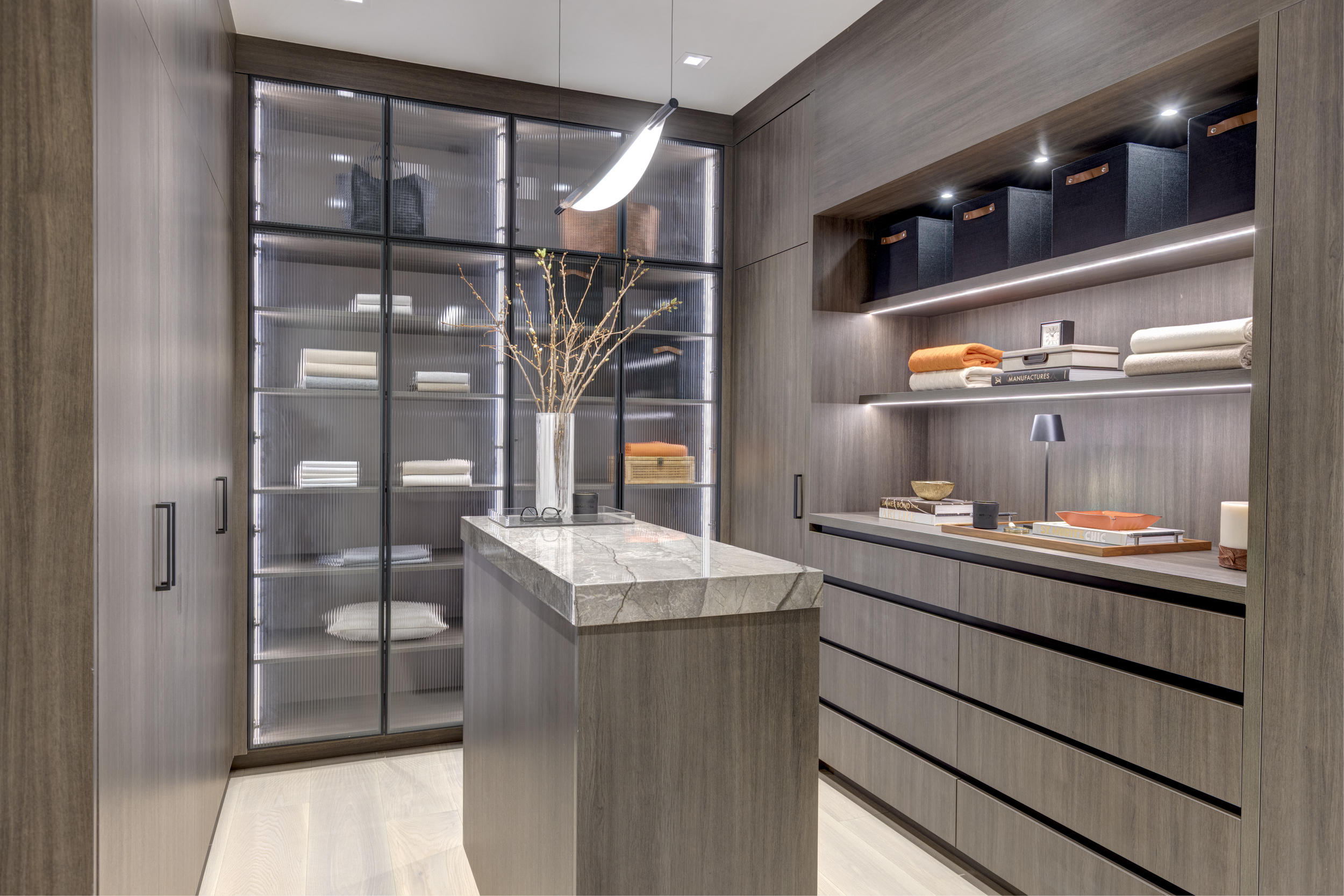
Detailed design development bridges the gap between creative concepts and buildable reality. This phase transforms schematic ideas into comprehensive construction documents that contractors can price accurately and build successfully. Getting this phase right prevents costly change orders, construction delays, and field conflicts.
At Apex Architecture Inc, our detailed design services ensure every project is fully resolved before breaking ground. This guide explains the essential components of effective detailed design development.
What is Detailed Design Development?
Detailed Design Development (DD) is the phase where architectural concepts are refined into coordinated, dimensionally accurate, and technically complete documentation. During this phase:
- Schematic designs gain dimensional precision and material specificity
- Building systems are fully coordinated between disciplines
- Code compliance is verified and documented
- Construction details are developed for all major assemblies
- Specifications are written to define material and performance requirements
- Cost estimates are refined based on actual quantities and selections
The Detailed Design Process
1. Dimensional Refinement
Schematic designs establish spatial relationships; detailed designs establish exact dimensions:
- Final room dimensions based on furniture, equipment, and code requirements
- Floor-to-floor heights accommodating structure, MEP, and finishes
- Wall thicknesses and construction assemblies
- Opening sizes for doors, windows, and equipment
- Circulation widths meeting accessibility and egress codes
2. Material Selection and Specification
Conceptual material ideas become specific, procured products:
- Structural systems with engineering properties and connections
- Exterior cladding materials, patterns, and attachment methods
- Interior finishes with grades, colors, and installation standards
- Hardware, fixtures, and equipment with model numbers
- Sealants, adhesives, and ancillary materials
Material Selection Best Practice
Select materials based on performance characteristics, availability, maintenance requirements, and cost—not just aesthetics. The most beautiful material that can't be sourced or maintained is a poor choice.
3. Systems Coordination
Architecture, structure, and MEP systems must coexist without conflict:
- Structural framing coordinating with architectural spaces
- MEP routing in ceiling plenums and wall cavities
- Equipment access and maintenance clearance
- Fire-rated assemblies and penetration sealing
- Insulation and thermal envelope continuity
4. Detail Development
Every building assembly requires thoughtful detailing:
- Foundation-to-wall connections
- Wall-to-roof transitions
- Window and door installations
- Expansion and control joints
- Flashing and weatherproofing
- Interior finish transitions
Code Compliance and Regulatory Requirements
Detailed design must demonstrate full compliance with applicable codes:
Building Code Analysis
- Occupancy classification and use group determination
- Construction type and allowable height/area calculations
- Fire-resistance rating requirements for assemblies
- Egress analysis with exit access, discharge, and capacity
- Accessibility compliance with ADA and local requirements
- Structural design loads and seismic considerations
Zoning and Land Use
- Setback compliance verification
- Height limit calculations
- FAR (Floor Area Ratio) analysis
- Parking quantity and layout requirements
- Landscape and open space requirements
Technical Documentation Standards
Quality detailed design requires professional documentation practices:
Drawing Organization
- Sheet index and drawing sequence (G-Series, A-Series, etc.)
- Consistent scale usage and graphic standards
- Reference bubbles linking related drawings
- Revision tracking and version control
- Title block information and project data
Annotation and Callouts
- Dimension strings showing critical measurements
- Material callouts keyed to specifications
- Detail references for complex assemblies
- General notes addressing common conditions
- Key plans showing enlarged areas
Common Detailed Design Challenges
Coordination Gaps
Items that fall between disciplines often cause field problems:
- Who details slab edge conditions? (Architect or structural?)
- Who coordinates elevator machine room requirements?
- Who designs roof drainage and overflow scuppers?
- Who specifies firestopping at MEP penetrations?
Avoid the Gray Area
Establish clear responsibility matrices early. Items that "someone else was supposed to handle" become expensive field changes later.
Constructability Issues
Designs that can't be built as drawn waste time and money:
- Impossible material combinations or sequences
- Insufficient access for installation or maintenance
- Tolerances tighter than standard construction can achieve
- Connections requiring specialized labor not locally available
Cost Escalation
Design decisions during DD directly impact construction costs:
- Complex geometry increasing labor content
- Expensive materials chosen without value engineering
- Systems requiring specialized subcontractors
- Long-lead items delaying project schedules
Quality Assurance in Detailed Design
Peer Review Processes
- Cross-disciplinary coordination reviews
- Code compliance verification checklists
- Constructability reviews with contractors or CM
- Accessibility compliance audits
- Specification-drawing coordination checks
BIM Coordination
Building Information Modeling transforms detailed design:
- 3D clash detection between disciplines
- Automated quantity takeoffs for cost verification
- Visualization for stakeholder communication
- Parametric design maintaining consistency
- 4D sequencing linking schedule to model
Deliverables of Detailed Design
The completed detailed design package typically includes:
Drawings
- Site plan with grading, drainage, and utilities
- Floor plans showing dimensions, materials, and equipment
- Reflected ceiling plans with lighting and MEP
- Exterior elevations with materials and heights
- Building sections showing vertical relationships
- Wall sections and typical details
- Interior elevations for special areas
- Schedules for doors, windows, finishes, and equipment
Specifications
- Division 01 - General Requirements
- Divisions 02-49 - Technical construction specifications
- Drawing-specification coordination matrix
Supporting Analysis
- Code analysis documentation
- Engineering calculations and reports
- Energy compliance modeling
- Cost estimate with quantities
Conclusion: Precision Enables Performance
Detailed design development is where architectural vision becomes buildable reality. The investment in thorough, coordinated, and accurate documentation during this phase pays dividends throughout construction and building operation.
Projects with well-developed detailed designs experience fewer RFIs, change orders, and field conflicts. They proceed through permitting more smoothly and result in buildings that perform as intended.
Ready for Detailed Design Excellence?
Apex Architecture Inc delivers comprehensive detailed design services that prepare your project for smooth construction. Let's discuss how thorough documentation can protect your project.
Discuss Your ProjectExternal References
Sources cited for verifiability per Google Search Essentials. Not affiliated.

